


Prostatitis is inflammation of the male prostate.Without proper treatment, it can become a chronic process that causes many unpleasant feelings on a regular basis.The first thing patients worry about is what medicine to take for prostatitis.
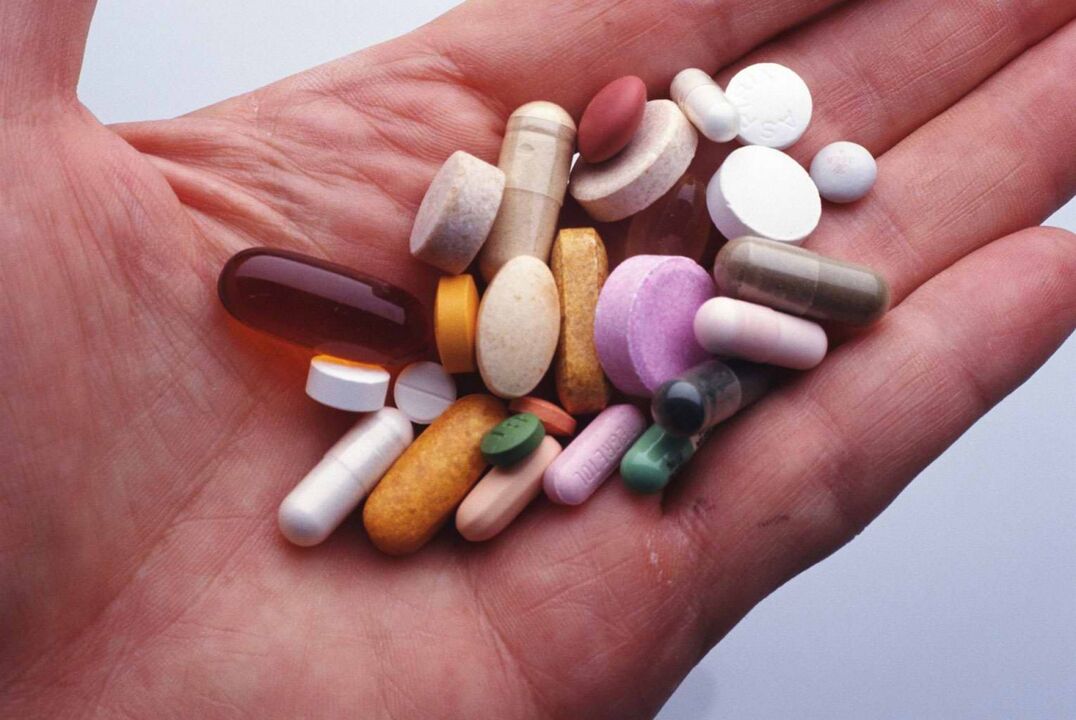
Classification of treatment agents
Both pharmaceutical (tablets, injections) and non-pharmacological (massage, physical therapy) influencing methods are used to treat prostatitis.In outpatient practice, prostatitis is best treated with a pill - it's convenient and safe.
Tablets for the treatment of prostatitis can be divided into:
- Anisotropy (eliminates infection);
- Pathogenic (removes prostate congestion);
- Symptomatic (relief of unpleasant symptoms).
Tablets are prescribed in one course of treatment - only in this case can effective treatment be achieved.In each case, treatment options are developed individually, including consideration of susceptibility to antibiotics.
antibacterial treatment
Antibiotics can destroy the pathogenic bacteria that cause inflammation of the prostate tissue. In fact, antibiotics are the basis of treatment.In the case of acute prostatitis, treatment should begin with parenteral administration - this will allow the drug to be delivered more quickly to the site of inflammation.After the end of the acute course, that is, 3-4 days after starting antibacterial therapy, doctors recommend switching to tablet drugs of the same group.
Fluoroquinolone tablets are most effective for prostatitis - they have a broad range of action and affinity for prostate tissue.The effectiveness of fluoroquinolones in treating exacerbations of chronic prostatitis has been demonstrated in multiple scientific studies.Compared with other antibacterial tablets, fluoroquinolones have the advantage of being virtually non-addictive.
The list of antibiotics commonly used to treat prostatitis may be supplemented by penicillins and tetracyclines.The course of antibacterial tablets lasts at least 7-10 days; as chronic prostatitis worsens, longer treatment may be required.
Causative and symptomatic factors
One of the most unpleasant symptoms of prostatitis is difficulty urinating due to spasm of smooth muscle fibers in the prostate and bladder.Alpha-blocker tablets relax muscles and relieve spasms, making urination easier.
Alpha-blockers relieve smooth muscle spasms, thereby relieving the patient's condition.
You must take these pills for at least 6 months.Even if rescue comes earlier, the course must be completed to the end.
NSAIDs are used as analgesics and anti-inflammatory drugs - they relieve pain and reduce the inflammatory swelling of prostatitis.
Since the course of the disease may be accompanied by depression and bad mood due to sexual dysfunction and pain, sedatives are sometimes included in the complex treatment of prostatitis.They can vary in strength, as some men need a milder herb (valerian or motherwort tincture) while others need stronger pills.
But there’s another new way to treat the prostate—prostatitis patches.It has become an excellent medicine for treating prostatitis.Currently, almost every doctor recommends it to patients.
Sulfa drug therapy

Treatment with sulfonamides is effective, along with drinking cranberry juice.
The drug destroys the causative agents of chronic prostatitis, such as Proteus, E. coli, Staphylococcus and Streptococcus.Although the pills are cheap and last a long time, bacterial resistance to them has not yet developed.
Medications for the treatment of prostatitis need to be taken for a long time - at least 3 weeks, and the daily dose should correspond to the maximum dose.On the third day of treatment, the condition improved significantly.After the first course, it is important to take a break for a month and then repeat.According to reviews, the therapeutic effect is even greater if cranberry juice is consumed at the same time.
Sulfonamides are not suitable for all patients; their treatment has many limitations:
- Hematopoietic system diseases;
- Allergy to sulfa drugs;
- Liver and kidney disease.
The most common side effects include vomiting, nausea, and allergic reactions.Agranulocytosis is rarely observed.
prevention
The prevention of prostatitis is based on a healthy lifestyle.To prevent this from happening, it is recommended to follow the following principles:
- Have regular sex with a regular partner;
- Treat urogenital infections promptly;
- Play sports and live an active lifestyle;
- Avoid hypothermia, especially in the pelvic area;
- Eat right.
Preventing exacerbations of chronic prostatitis using traditional medicine includes regularly including honey, nuts, dried fruits and pumpkin seeds in your diet, which contain many substances beneficial to the prostate.Of course, it's important to know about the medications that can help treat prostatitis, but treatment is best done under the supervision of a urologist.